
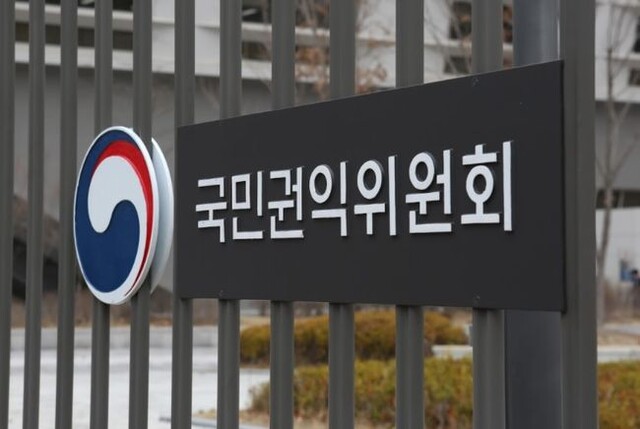
2024.07.09. The Fair Economy — The Anti-corruption & Civil Rights Commission said on the 7th that it will push to integrate the administrative appeal agencies scattered across various institutions and build a government-wide one-stop online system that allows citizens to file administrative appeals in all fields by accessing a single website, in order to effectively protect their rights and interests.
According to the Anti-corruption & Civil Rights Commission, this integration is being pursued as a national task of the current administration to implement a one‑stop administrative appeal service.
Administrative appeals are a remedy for citizens whose rights or interests have been infringed by an unlawful or unfair administrative decision. They allow citizens to seek relief from the issuing agency before going to court, and they offer the advantages of being free, simple and fast.
Moreover, if a citizen's appeal is upheld, the administrative agency cannot contest the outcome. This makes the system far more favorable to applicants than litigation, which can require enduring three rounds of trial up to the Supreme Court.
However, there are 123 bodies in total that operate the administrative appeal system, and the competent body and procedure vary depending on the content of the decision. This makes it difficult for citizens to know where and by when to file an appeal.
The ways in which appeals are accepted also differ from body to body. Some use the Central Administrative Appeals Commission's online system, others operate their own separate systems, and some accept applications only in writing.
There have also been criticisms that when the agency that issued the disposition conducts the appeal itself or when the appeal is handled by the agency's superior, it is difficult to expect an independent and fair administrative appeal.
The time taken to handle cases often far exceeds the statutory deadline, and there are significant differences in the rates at which similar cases are upheld, reflecting gaps in how each body operates.
To make rights relief more convenient for citizens and improve government efficiency, the Anti-corruption & Civil Rights Commission has set up a joint government 'Administrative Appeal Integration Planning Team' with the Ministry of the Interior and Safety and the Korea Ministry of Government Legislation to push forward the integration of administrative appeal bodies.
Since late 2022, the team has gathered opinions through research projects, expert forums, academic conferences and advisory consultations, and has drawn up a plan for organizational integration. It is now coordinating the views of each body and plans to submit the final integration plan to the National Assembly this year.
At the same time, the Anti-corruption & Civil Rights Commission is also pushing for the integration of the online administrative appeal systems operated individually by each agency.
The project to build a one-stop administrative appeal system began in June after selecting a contractor. The first phase of construction is expected to be completed in the first half of next year, allowing citizens to file an appeal and check the outcome through a single system regardless of the type of appeal.
Going further, from 2026 onward, the commission plans to use artificial intelligence (AI) technology such as ChatGPT to help citizens who lack legal knowledge file their appeals, and to provide a 24-hour administrative appeal legal consultation service, upgrading the system into a more scientific and innovative platform.
Moreover, the commission plans to disclose big data collected from various fields—such as general, tax, small claims, and insurance compensation—to the public to realize a transparent government, and also explore ways for both the private sector and the government to jointly utilize the data.
"Implementing a one-stop administrative appeal service will improve convenience for citizens and make the appeal process faster and fairer," said Yoo Cheol-hwan, chairman of the Anti-corruption & Civil Rights Commission. "By readjusting appeal bodies and personnel and cutting the budget spent on duplicative development and maintenance of appeal systems, we also expect government operations to become more efficient. We will do our best to faithfully implement the one-stop service so that South Korea can become a global standard model in every aspect of administrative appeals — from institutions and organization to operation and informatization."


0 Comments
No comments yet.